Monday, 23 October 2017

An Easy Dinner You Can Prepare Ahead of Time!

Earlier last week, I texted my mom looking for my brother's favorite recipe that she makes and she sent me right to her blog! Ian loves her Pork Scalloppine, Sage, and Caramelized Lemon recipe she found on Fine Cooking. This was super easy to make, delicious and Fine Cooking even provides the nutritional information as well. My boyfriend was blown away with the flavors of the sage and lemon with the saltiness of the prosciutto. I paired it with white rice (so it soaks up the flavor of the sauce from the meat) and sauteed broccoli with olive oil, sage, and the left over prosciutto. 


Ingredients

2 to 3 lemons
1 small pork tenderloin (about 3/4 pound)
Kosher salt and freshly ground pepper
18 medium or 12 large fresh sage leaves
6 slices prosciutto, preferably imported
3 Tbs. all-purpose flour
3 Tbs. vegetable oil
2 Tbs. unsalted butter
1/3 cup sweet vermouth; more to taste
1/2 cup homemade or low-salt chicken broth

Preparation

  • Trim a thick slice off each end of one of the lemons, and then cut 1/8-inch-thick slices from the lemon center—you need 12 slices, so you may need a second lemon. Juice the ends and enough of the remaining lemons to obtain 1/4 cup juice. Set the slices and juice aside.
  • Heat the oven to 200°F. Set a heatproof serving platter and a baking sheet lined with a paper towel in the oven.
  • Trim and cut the pork tenderloin into 6 thick medallions of roughly equal weight. Place a piece of plastic wrap on the countertop. Put one pork piece on top of the plastic with one cut side up and cover with a second piece of plastic wrap. With a meat mallet (or heavy skillet), pound the meat into 1/4-inch thick scaloppine. Repeat with the other pieces. Sprinkle both sides lightly with salt and pepper. Top each scaloppine with two to three sage leaves and then a prosciutto slice, folding any of the overlap underneath the pork scaloppine.
  • Put the flour in a shallow bowl. Dredge the scaloppine in flour, shaking off the excess.
  • In a 12-inch skillet, heat 1-1/2 Tbs. of the oil over medium-high heat. Cook three of the scaloppine, prosciutto side down first, until lightly browned and just cooked through, 1-1/2 to 2 min. per side. Transfer the scaloppine to the baking sheet in the oven. Add the remaining 1-1/2 Tbs. oil and repeat with the three remaining scaloppine. Transfer them to the baking sheet and keep warm in the oven. Remove the pan from the heat and pour off any remaining oil.
  • Add 1 Tbs. of the butter and let it melt. Add the lemon slices to the pan in a single layer. Return to medium heat and cook the lemon slices until lightly browned on one side, 2 to 4 min. Turn the lemon slices and add 2 tablespoons of the vermouth to the pan. Continue to cook until the vermouth cooks down to a glaze, 2 to 3 min. (The lemon slices will resemble bicycle wheels, with much of the flesh going into the sauce.) Transfer the lemon slices to the scaloppine in the oven, placing two slices on each one.
  • Pour the remaining (approximately 3 Tbs. ) vermouth into the pan, bring to a boil over medium-high heat, and deglaze the pan by scraping up the browned bits from the bottom. Add the chicken broth and lemon juice and boil until reduced to 1/4 cup, 3 to 5 min. Remove from the heat and stir in the remaining 1 Tbs. butter.
  • Taste the sauce for seasoning; if it’s too acidic, add a touch more vermouth to the pan.
  • Transfer the scaloppine to the serving platter, spoon the sauce over, and serve immediately.
      Nutritional Sample Size based on three servings
      Calories (kcal) : 460
      Fat Calories (kcal): 250
      Fat (g): 29
      Saturated Fat (g): 9
      Polyunsaturated Fat (g): 7
      Monounsaturated Fat (g): 10
      Cholesterol (mg): 105
      Sodium (mg): 1090
      Carbohydrates (g): 18
      Fiber (g): 4
      Protein (g): 33


To reduce the salt content of this recipe, try using low sodium broth or No Added Salt broth. If you do not have vermouth, a dry white wine will work well. 


Sunday, 15 October 2017

Eating for your skin

A lot of what we eat has to do with our health and what we are put at risk for. But, a lot of people don't realize that what we eat can contribute to what our skin is like. Have you noticed you get an acne breakout after a weekend of junk food eating and drinking? This could be your body's response to what you eat! Perhaps even dry skin can contribute to what you eat! Here are some vital things to have in your diet for healthy skin.

Vitamin A- It does more than help you be able to see! Vitamin A has been associated with healthy and glowing skin, along with preventing organ damage like the heart, lungs and kidneys, as well as help with cell growth and repair. Vitamin A is a fat soluble vitamin meaning that it is stored in the fat cells. Good sources of Vitamin A are sweet potatoes, red, yellow and orange fruits and vegetables like Bell Peppers, tomatoes, and as well as eggs, organ meats and milk.


The B Vitamins- The B vitamins are essential because they can help fight disease, producing energy, metabolism. Folate, which is a B vitamin, is crucial for pregnant women due to helping with a healthy brain and spinal chord of the baby and reducing birth defects. Below is a list of all the B vitamins and where you can get them from.

Vitamin C- Vitamin C is a powerful antioxidant and plays a major role in collagen development, which is very important for healthy skin. Some studies have some that it may also help prevent damage from UV light too. Some good sources are cantaloupe, mango, kiwi, watermelon, bell peppers, and berries.

Vitamin E- Vitamin E helps to fight off free radicals in the body, which can speed up the aging process. Free radicals can cause wrinkles to form, and no one wants wrinkles! Here are some good sources: sunflower seeds, almonds, tomatoes, spinach and avocados.

Zinc- Zinc can fight off acne flare ups, which no one likes! Making sure you have a good source of zinc in your diet can help stop acne, as well as help with immunity! Here are some good sources of zinc:red meat, poultry, whole grains, and lobster.

Omega 3 Fatty Acids- Everyone has heard of omega 3's for heart health, but they are also very good for your skin. They have been proven to help make skin look smoother and younger, as well as reduce inflammation and redness. Some good sources of Omega 3's are cold water fish, eggs, flax, walnuts, and chia seeds.

Before you reach for acne medication or an overnight cream, think of what you're eating and how you can change your diet to see better and healthier skin!

Wednesday, 20 September 2017

What is a Ketogenic Diet?


Ketogenic diets seem to be all the rage in the past few months. I've had Starbucks customers tell me that they are trying a Ketogenic diet, I've read articles about Ketogenic diets, and I have heard  of people getting prescribed Ketogenic diets by their doctors. But what exactly is a Ketogenic Diet and is it good/safe for you? Let's find out!


The Ketogenic diet was originally thought of for those with neurological disorders like epilepsy, as well as neurodegenerative disease like Alzheimer's and Multiple Sclerosis. The goal of the ketogenic diet is to move the human metabolism into a state of ketosis. This diet was historically used as a last resort type method when drugs were not providing as much help as needed. After the body burns through the carbohydrate stores, it will turn to fat as its primary energy source. The liver will convert fat into fatty acids and ketone bodies.The ketones will pass to the brain and act as an energy source in place of glucose.  Due to the low consumption of carbs, the body is able to utilize fat better and more efficiently as a fuel source. In epileptic patients, ketones will be in the blood which leads to the reduction in the frequency of seizures. Common side effects are constipation and increased risk of kidney stones. This type of diet has been proven to work for those with seizures.

However, for those who do not have seizures, the ketogenic diet may not be the best for you. Your body's main source of energy is carbohydrates. That is what's stored in the muscles and what will power you through a tough workout, or a long distance run. Therefore, a ketogenic diet is not appropriate for athletes. Running a long distance, or even a 100m sprint is fueled by carbohydrates. Some organs strictly use glucose as its energy source, therefore, you would be causing further stress on the body when eliminating carbs from the diet. Those that are trying a no carbohydrate diet, means that they cannot have fruits or vegetables because the main composition of them is carbohydrates; that means you will be more likely to have vitamin and mineral deficiencies. Taking a supplement is fine, but your body absorps and retains the vitamins and minerals better when taken from food.

A side effect of a ketogenic diet is having ketones in the blood and urine which can cause you to feel more tired than usual, increased urination, skin is flushed, and nausea and vomiting can occur.

A ketogenic diet can also be especially harmful for those who are pregnant. The baby's primary energy source is carbohydrates, that is what aids in growth and development. When engaging in a carbohydrate restrictive diet, the baby can have impaired growth and development, as well as complications with the mother and her pregnancy.

So how can you burn fat without trying to make your body use fat as its only energy source? Eat a balanced diet, and engage in moderate intensity exercise like incline walking with an average heart rate between 120-140 depending on age. When at rest, the body primarily uses fat as its energy source. As you're sitting down reading this right now, your body is burning fat.

Remember, when you're considering to put yourself on a diet, do the research and inform yourself of the positives, as well as negatives. Eatright.org is a wonderful source for reliable nutrition information, as well as the National Institue of Health. Ketogenic diets are okay when you are monitored under physician and dietitian supervision.

Tuesday, 22 August 2017

The Best Starbucks Drink Picks by this RD 2 Be!

Recently, for my internship with American Dairy Association North East,  I was asked to write a blog for their Dairy Diary page on their website. The dietitian I am under thought it would be a great idea to write about my favorite drinks  at Starbucks and how to make them better for you. With a little bit of thinking, I came up with 4 of my favorite, and most ordered drinks and made them healthier!


Along with being a college senior in a nutrition and dietetics program, I am also a part-time Barista at Starbucks. Through my 2-and-a-half-year tenure there and my nutrition classes, I have found the best drinks for health-conscious customers.

These drinks are high in protein, with vitamins and minerals that help your body stay strong and healthy. From the vast possibilities of drinks at Starbucks (and believe me, there are THOUSANDS of combinations and options!), I have come up with four of my favorite good-for-you drinks.

The Smoothie

Everyone knows the Frappuccino, but Starbucks offers another type of frozen blended drink; smoothies! They are available in Strawberry or Chocolate. Both smoothies come standard with 2% milk, a banana, ice, and whey protein/fiber powder.

My favorite of these two smoothies is the Strawberry! However, I like to change up the recipe a bit. Instead of using 2% milk, I ask for it to be made with fat-free skim milk. Whichever your preference, skim or 2% milk, all milk has 9 essential vitamins and minerals necessary to keep us healthy and our bones and teeth strong. The other change I like to make is asking for an extra scoop of the whey protein/fiber powder.

The standard recipe comes with 2 scoops, but after an intense workout at the gym, the extra scoop of whey protein/fiber powder, with 6 grams of protein, helps me reach my protein goal for a post workout recovery snack. The extra gram of fiber also helps with digestion, all the more reason to ask for an extra scoop!

The Frappuccino

One of Starbucks most popular items is the Frappuccino. There are so many different flavors and combinations available. Just when I thought I’ve seen it all (like the Butterbeer or Fruity Pebbles Frappuccino off the secret menu), a new one is created.

Frappuccino’s can be made with or without the frap roast. This is a coffee concentrate that adds the flavor of coffee to your beverage. It doesn’t add much caffeine, so ask for an extra shot of expresso if you’re in need of a boost but want a Frappuccino.

Frappuccino’s are usually made with whole milk, which is one of the biggest contributors to the amount of fat in this drink. Don’t think about removing the milk all together and going with a non-dairy imposter! Instead, ask for it to be made with skim or 2% milk to cut down on the fat, while also getting the 9 essential vitamins and minerals. You can also ask for protein powder to be added to the Frappuccino, which will make your drink thicker and taste more like a milkshake!

Lastly, all Frappuccino’s  are made with Frap base. This is what makes the Frappuccino smooth and easy to blend. There are three types of bases, cream base for Frappuccino’s that do not have coffee, coffee base for those made with coffee, and the light base for light Frappuccino’s that are lower in added sugar. Ask for your Frappuccino to be made with light base to cut the amount of added sugar.

Lattes

Lattes are another staple at Starbucks. You can get a plain latte with no sweetener or flavor added, or one of the specialty lattes, like a Caramel Macchiato. All lattes come with 2% milk, but if you ask for skim or whole milk, they will gladly accommodate your preferences. Stick with real dairy instead of any milk alternatives for a healthful drink with lots of protein.

If you’re looking for a flavored beverage, ask for the sugar free syrups like mocha, vanilla and cinnamon dolce. They have the same great taste without the added sugar and calories.

Iced Teas

We brew four different types of tea daily: Black Tea, Green Tea, White Tea, and Passion Tango Tea. The caffeine free options are White Tea and Passion Tango Tea. When ordering your tea, ask for it to be unsweetened.

A standard ice tea comes sweetened with liquid cane sugar, but if you’re watching calories and added sugar levels, you can ask for it to be unsweetened. Or, if you like the taste of sweet tea, ask for less pumps of liquid cane sugar.

With all the options at Starbucks, it’s easy to get healthier versions of your favorite drinks. Go with one of my picks – or create your own!

Want to know the Nutrition Facts of your favorite Starbucks drink, or a drink you created? Head over to Starbucks.com, click menu, then go under the Nutrition tab and select Drink Nutrition. From there you can find the base beverage you had, and add all the customizations you made to find out the Nutrition Facts for your beverage. 


Tuesday, 1 August 2017

Surprise Recipe!

I have had a hankering for shrimp lately, my parents noticed it too when I kept pointing out that shrimp had been on sale the past few weeks at Wegmans and Price Chopper. So, finally my dad gave in and brought the shrimp! I originally was going to slightly bread the shrimp, pan fry  it and serve it with pesto pasta. But, upon perusing the price chopper site, I saw this great recipe! To my surprise, we already had all the ingredients for the  recipe! It was like it was meant to be!

I waited until all 4 of us would be home for dinner, since my brother and I both have inconsistent work schedules and never seem to really match up. The dish was very  easy to prepare and took less than 30 minutes to make. This would be good for any season, especially on Friday's during Lent  due  to the shrimp!


Rotelli with Shrimp in Tomato Cream
Yields 4-6 servings

1 lb. Rotelli, cooked as package directs
4 1/2 tbsp. Butter
2 Cloves Garlic, minces
1/2 tsp. Salt
6 leaves fresh basil, cut into thin strips
1 lb. Shrimp peeling and deveined
1 1/2 tbsp. Flour
1 1/2 Half and Half
2 tbsp. Tomato Paste

In a sauce pan, melt 1 tbsp. butter over medium heat. Add garlic and sauté 1 minute. Stir in tomato puree, salt and fresh basil.  Simmer over low heat for 6 to 8 minutes. Meanwhile, in a small skillet, melt 2 tbsp. butter over medium high heat. Add shrimp and sauté until pink, about 2 minutes. Remove shrimp from pan. Cover and keep warm. In the same skillet, melt 1 1/2 tbsp.  butter. Add flour and cook 2 minutes. Whisk  in half and half. Cook until sauce is smooth and thick.  Whisk in tomato paste. Spoon in cream sauce into  saucepan containing tomato cause. Mix well. Add shrimp and simmer until heated through. Add shrimp and mixture to cooked pasta and toss.


If you aren't a shrimp eater, you could substitute it for smoked turkey sausage or grilled chicken breast.

Monday, 3 July 2017

The Skinny on Fat


We have all heard that eating too much fat can make us overweight, and that if we cut out fat then all the weight will come off. Well, there are many common misconceptions about fat and I want to bust them all!

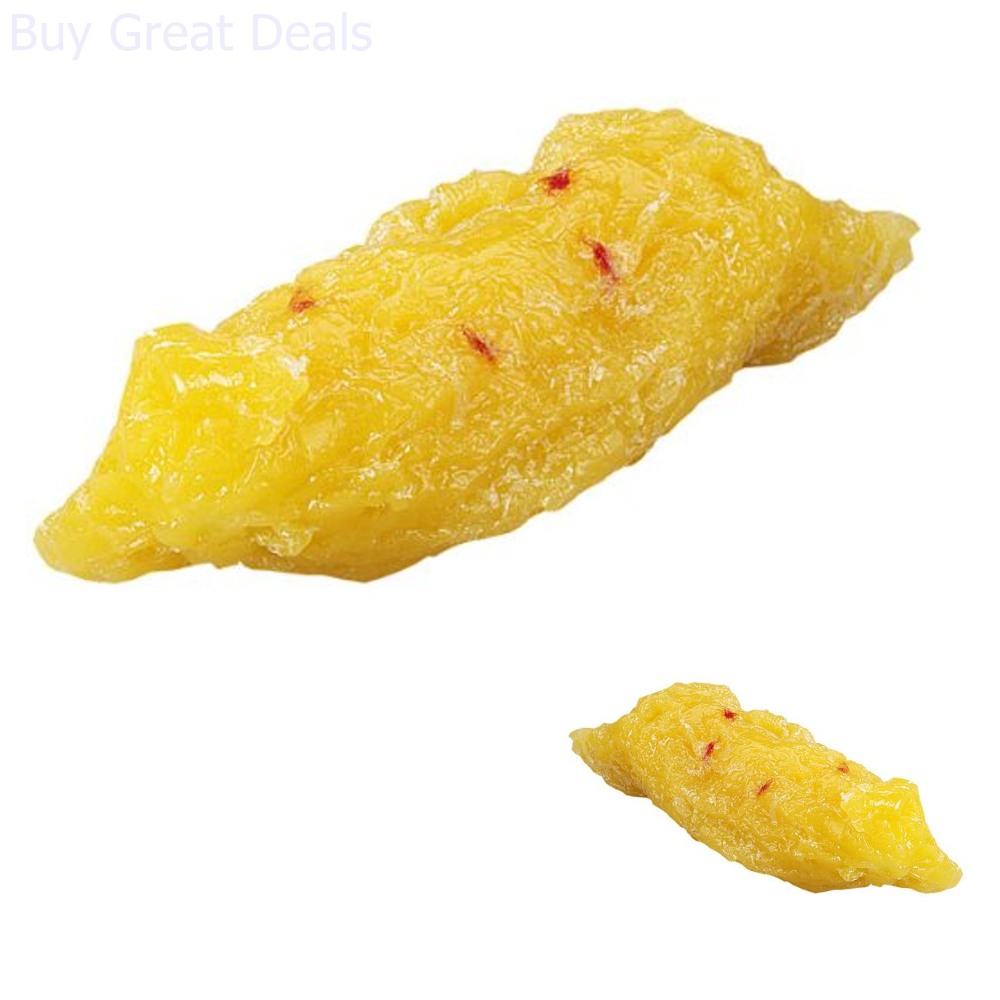
First, lets talk about fat and fat cells. In the science world, they are called adipose cells or when there is a collection, it is called adipose tissue. When we eat and the body does not use all of the energy we ingested, it is stored. It can be stored as glycogen (stored energy in our muscles) or as fat. It is only stored as fat when our glycogen stores are full and the food has no other place to go. Carbohydrates and protein can be stored as fat too; it all gets broken down into the same type of compounds and stored.

Surprisingly, we cannot burn off fat cells; they do not just go away. Fat cells will grow in size as more unused energy is stored, and when it is burned, the cells shrink in size. We do not kill or burn away the cells. That is why it is easier to gain weight back after you lose a good amount because the cells are already there. And, we can add new fat cells as well.

I have heard from many people that they are trying a low fat diet in hopes that they will burn off their excess weight. Our primary energy source is carbohydrates. They help us when we need that sudden burst of energy to sprint as well as a long distance run. When the body uses up its stores of carbohydrates, it turns to fat. As your sitting here reading this and I am sitting here typing this, our bodies are using fat as its energy source. When you're walking on the treadmill at about 3.5 miles per hour with a decent incline at a heart rate of about 120 bpm, you're primarily burning fat. When you take fat out of your diet, and you burn all of your carbohydrate stores, the only thing left for the body to turn to is stored protein, which is muscle. If you cut out fat, and all you have left stored is protein then your body will break down it's muscles to feed itself.

We, as future dietitians, learn in school that 20-35% of our daily caloric intake needs to come from polyunsaturated fat or monounsaturated fat. These fats are known as the "healthy fats". Saturated fat is what can clog arteries and raise cholesterol levels, while poly and monounsaturated fats reduce cholesterol and prevent clogged arteries. Based on a 2000 calorie a day diet, at the most 16g of fat or 144 calories should be coming from saturated fat.

So don't be scared of fat, you need it, our bodies need it, and it does have a purpose for us.

Thursday, 22 June 2017

Let's Taco 'Bout It!


I got really into meal prepping over the past few weeks for my internship, and one thing that I loved to have and make was taco salads! The beauty over making your own Taco salads rather than buying them from the store or a fast food place is that you decide what is going in them, how spicy they will be and how much you want! Best of all is that they are really, really cheap to make. I grabbed a can of corn, a can of beans, and black olives, as well as salsa, sour cream, low sodium taco seasoning, romaine lettuce, 90/10 ground turkey and reduced fat taco cheese.

One thing to be aware of when making your salad is to try to avoid excessive salt content as well as excessive fat content. When buying your canned veggies, look for the ones that say low sodium on the label. When you take them out of the can, rinse them in the strainer to reduce up to 40% of the salt content! Low sodium taco seasoning generally has between 30-40% less sodium than regular seasoning.

Go for the reduced fat cheese and sour cream to keep this lunch a low fat lunch, but super high in protein. Ground turkey is generally lower in fat than ground beef but when you use seasoning on it, it tastes just the same!

Remember, because this meal is has little to no carbs, it is good to include a pita or some baked tortilla chips with it to make sure you're getting all your macronutrients. Carbohydrates are your body's main energy source and when you try to go on a low carbohydrate diet, your energy levels will fall. Carbohydrates are good!